2026-11-06 · Robert Ellis
What to Do After Flooding from the St. Johns River in Jacksonville
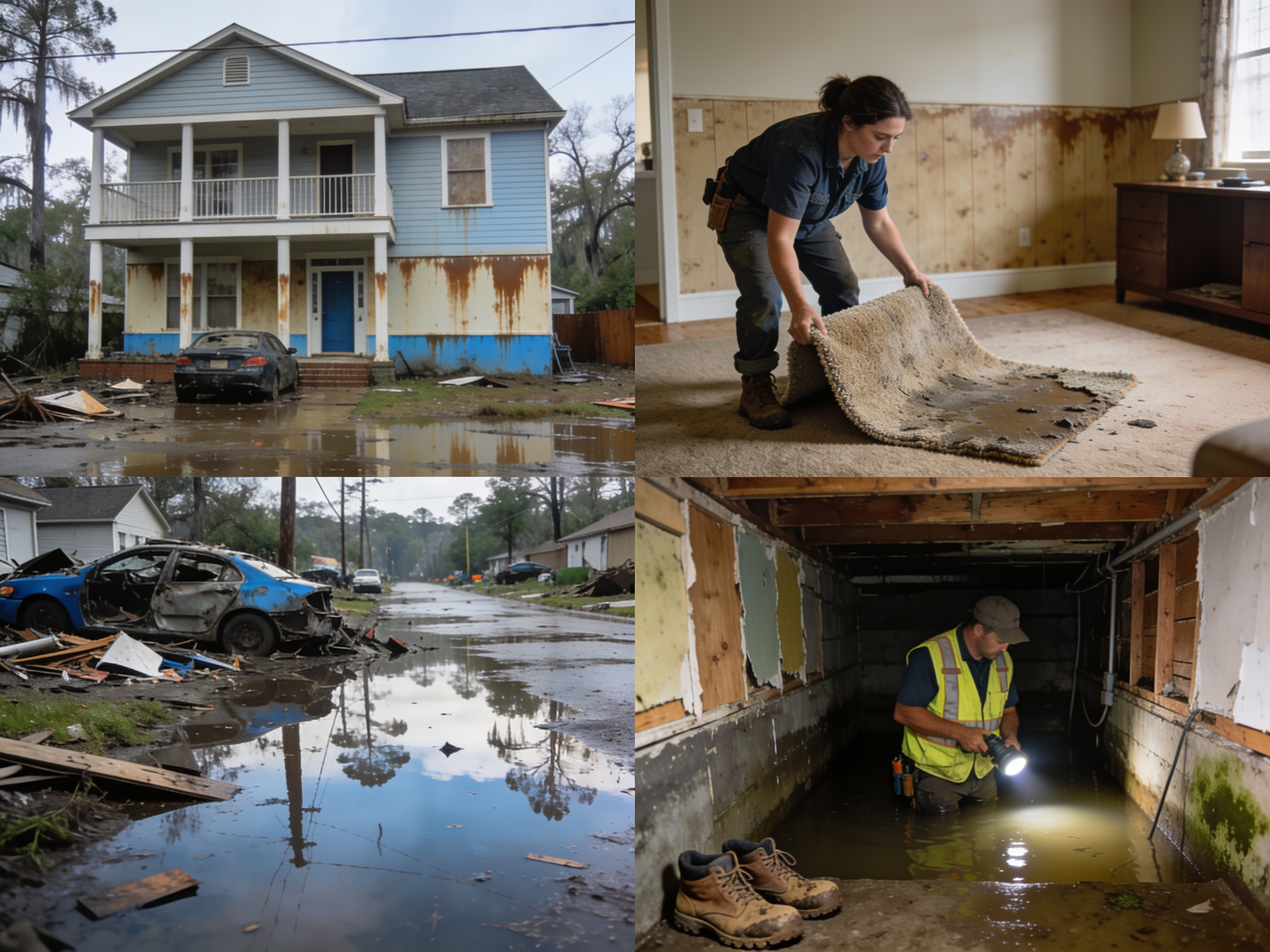
After flooding from the St. Johns River in Jacksonville, begin by securing power and avoiding contact with standing water to prevent electrical hazards and contamination. Move quickly to document damage with photos before any cleanup, then focus on removing water and starting the drying process within the first 24 to 48 hours. This timeline matters because Duval County's humid subtropical conditions accelerate mold growth on wet materials.
Prioritize Safety and Initial Assessment
Turn off electricity at the main breaker if water has reached outlets or appliances, and wear protective gear such as rubber boots and gloves when entering affected spaces. In older homes common to Riverside and Avondale, check for weakened floor joists or plaster walls that may have absorbed water from the river. Walk through each room methodically, noting water lines on drywall and identifying items that must be removed for proper drying. Contact local authorities if the flood reached sewage lines, as St. Johns River overflow often carries debris from upstream areas near Mandarin and Arlington. Document everything with dated photos and notes for insurance purposes before moving furniture or belongings.
Remove Standing Water Promptly
Use a wet vac or submersible pump to extract visible water from floors in rooms facing the river, working from the highest point toward drains to avoid spreading contaminants. In properties near the Jacksonville Landing or Cummer Museum, basements and crawl spaces fill quickly during high water events and require repeated pumping sessions. Focus first on carpets, rugs, and upholstered items that trap moisture against subfloors. Once bulk water is gone, open windows on dry days to promote airflow, but monitor humidity levels because mild winters and hot summers in Duval County keep moisture trapped indoors longer than in drier regions.
Dry and Dehumidify Affected Structures
Deploy industrial fans and dehumidifiers aimed at wet walls and floors, running equipment continuously until moisture readings drop below 15 percent. Older housing stock in Springfield and San Marco often features lath-and-plaster construction that holds water longer than modern drywall, extending drying times by several days. Check behind baseboards and inside cabinets where river sediment can hide and cause hidden rot. For homes in Atlantic Beach or Neptune Beach that experience tidal influence from the St. Johns, pay extra attention to slab foundations that wick moisture upward. Consistent monitoring with a moisture meter prevents callbacks and keeps secondary issues from developing weeks later.
Address Mold Risks Tied to Local Humidity
Jacksonville's humid subtropical climate means visible mold can appear within 48 hours on wet drywall or wood framing after St. Johns River flooding. Remove and discard porous materials like saturated insulation or particleboard that cannot be dried thoroughly. Treat remaining surfaces with antimicrobial solutions, then run dehumidifiers set to 45 percent relative humidity or lower. Residents in Orange Park and surrounding areas often see faster mold spread because summer heat combines with river moisture to create ideal growth conditions. How Jacksonville Humidity Speeds Up Mold After Water Intrusion explains the science behind these timelines in more detail.
Plan Long-Term Repairs and Prevention
Once structures are dry, replace damaged drywall, subfloors, and trim with moisture-resistant materials suited to river-adjacent properties. Elevate electrical outlets and appliances above historical flood lines in Downtown Jacksonville and Mandarin neighborhoods to reduce future risk. Schedule regular inspections of sump pumps and French drains before hurricane season peaks. Water Damage Restoration Considerations for Jacksonville's Hurricane Season outlines additional seasonal preparations that apply after any St. Johns overflow event. Professional Water Damage Restoration teams can handle the technical drying and documentation if the scope exceeds DIY capabilities.
Call 9556 Historic Kings Rd S Ste 404, Jacksonville, FL 32257 during Mon–Fri 8am–6pm or Sat 9am–2pm for guidance on specific properties after river flooding.